How Hotels and Resorts Can Prepare for a Photography Shoot
A good hotel photoshoot starts before the camera comes out. The strongest shoots are usually the ones where the property knows what it needs, which spaces matter most, and where the images will be used. Sometimes the goal is simple: clean, accurate room photos for OTAs and the hotel website. Other times, the shoot needs to create a fuller image library with rooms, amenities, food and beverage, lifestyle, exterior images, aerials, and video.
I create hotel, resort, tourism, and hospitality photography for properties across Vancouver, British Columbia, and beyond. My experience includes work for Destination Vancouver, Discover Surrey, Gordon Ramsay Burger Vancouver, and hospitality-related projects, including the Surrey Hotel & Motel Association.
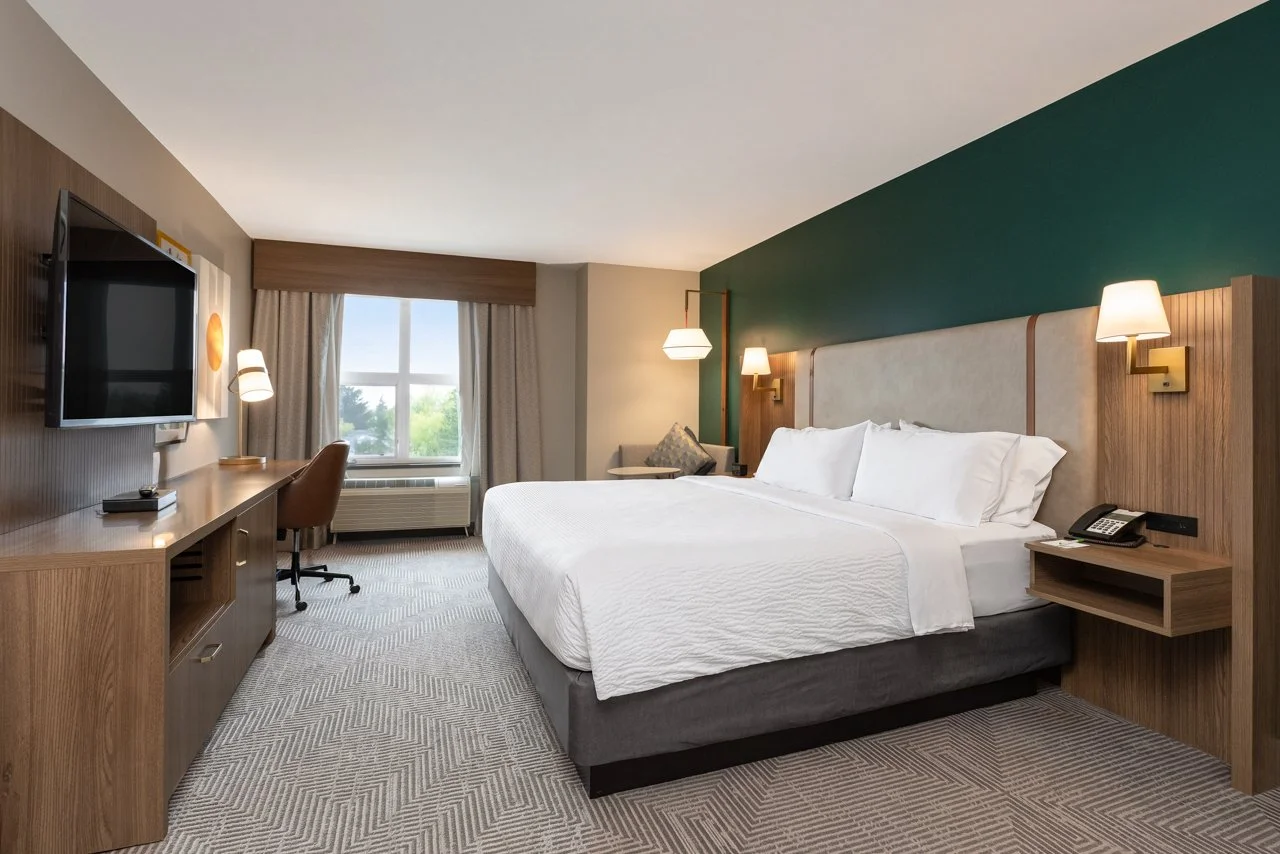
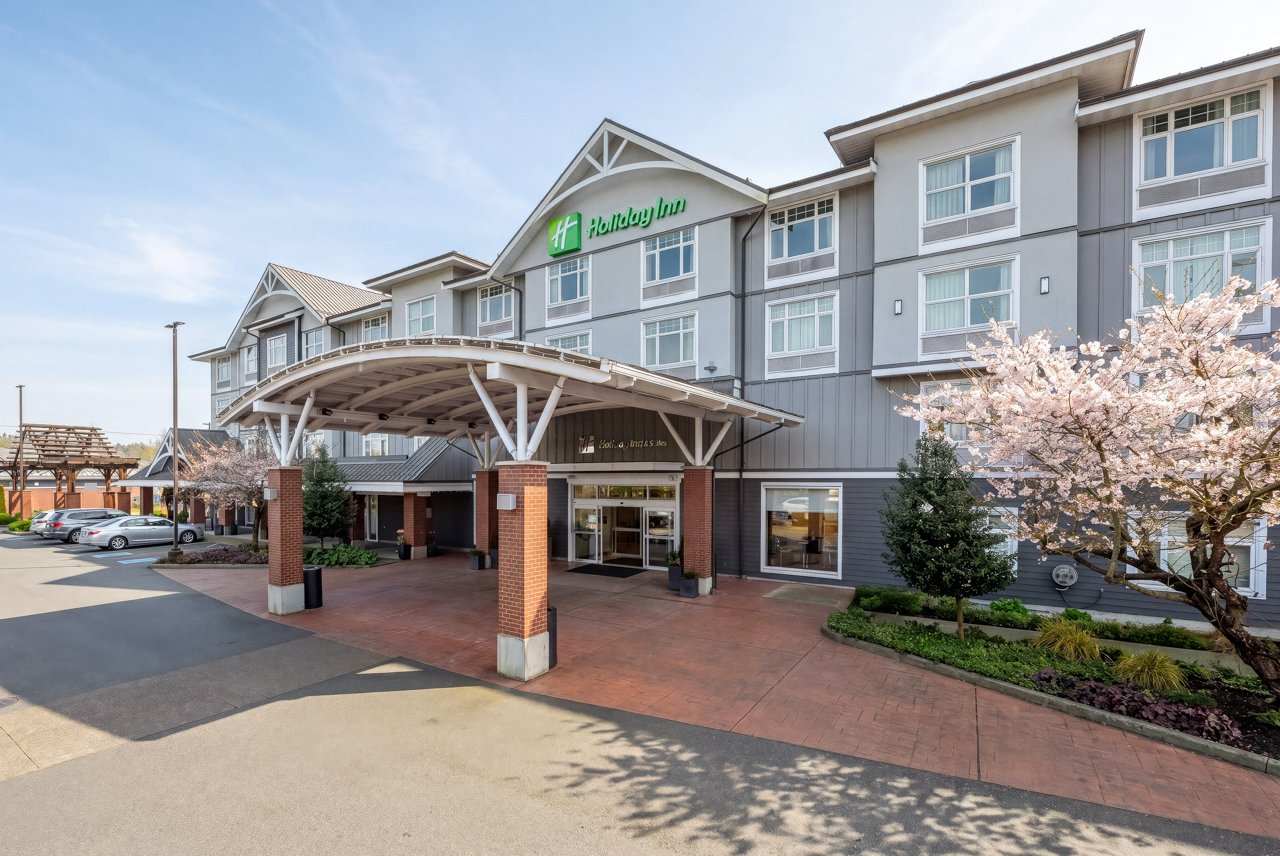
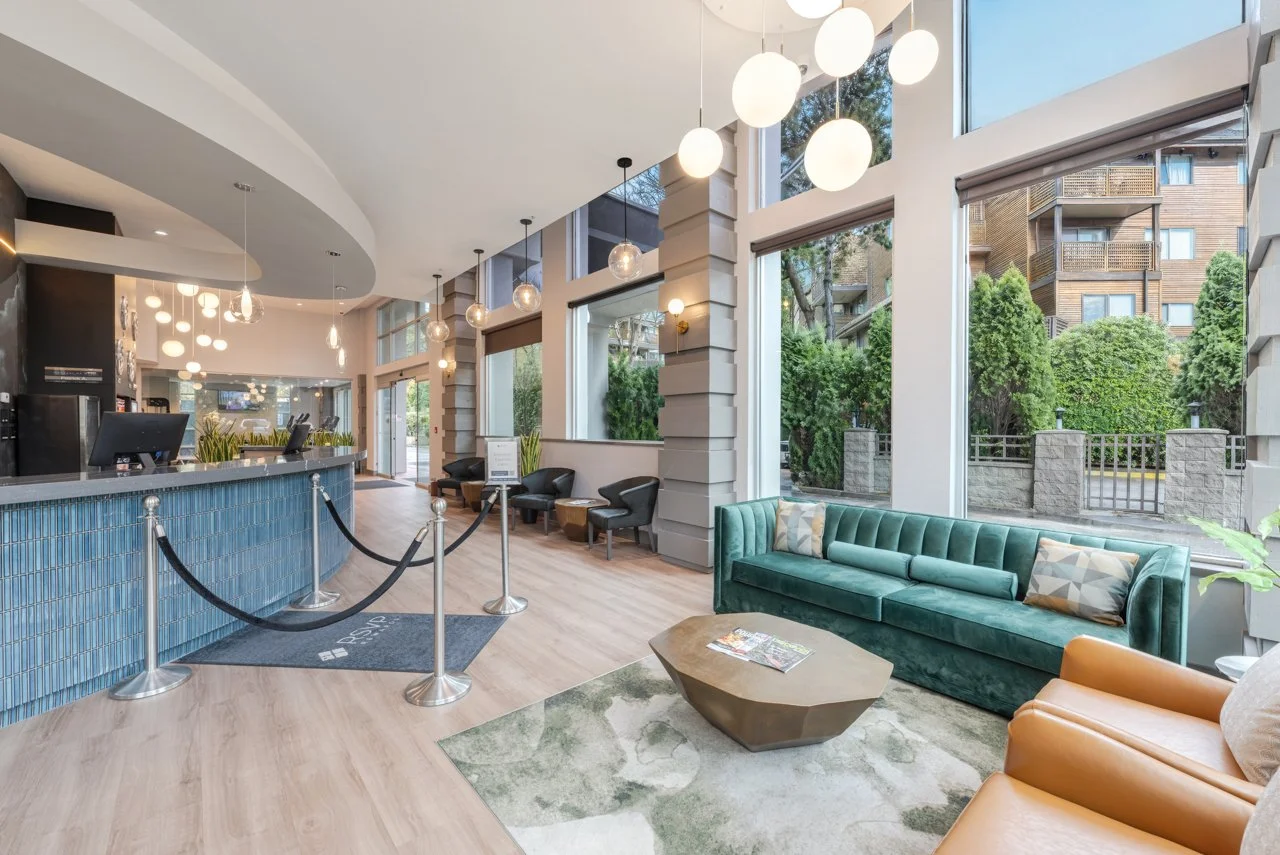
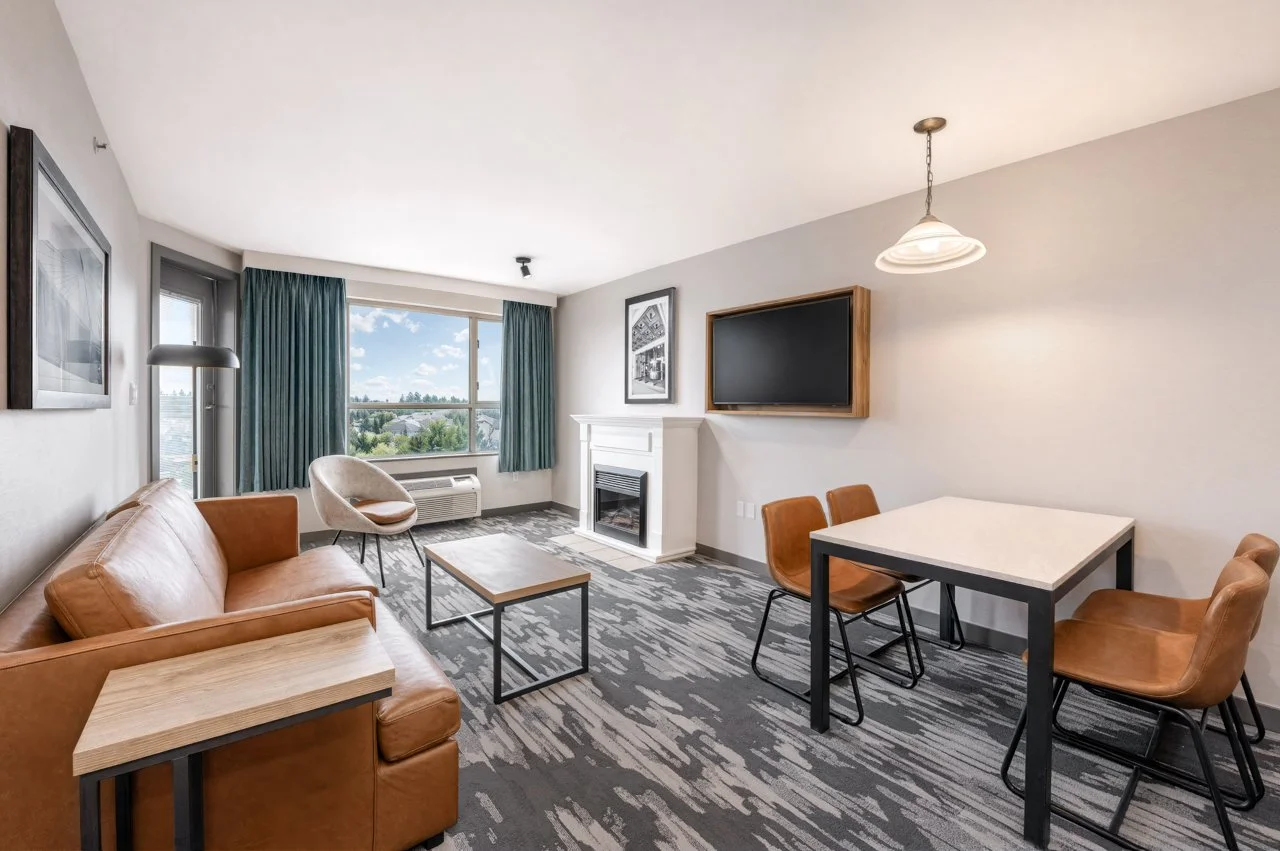
Start with the images that help people book
Before building a shot list, it helps to decide what the photos need to do.
For most hotels and resorts, the main uses are:
OTAs and booking platforms
the hotel website and booking engine
Google listings
sales decks for groups, meetings, and weddings
social media and paid ads
PR, media, and tourism partners
Those channels do not all need the same images. OTAs usually need clear room-type coverage. A website needs strong hero images and atmosphere. Sales teams need meeting rooms, event setups, and amenities. Social media needs vertical crops, details, and lifestyle moments.
A good shoot plan starts with the spaces that matter most to revenue: the rooms people book, the restaurant people talk about, the view that sells the property, the spa, the pool, the meeting space, or the arrival moment that sets the tone.
Build a simple, practical shot list
A hotel shot list does not need to be complicated, but it does need to be clear.
A useful starting point:
exterior and arrival
lobby and public spaces
each main room type
bathrooms
restaurant, bar, and food
meeting and event spaces
amenities such as gym, spa, pool, or outdoor areas
views, neighbourhood, or destination context
detail images
lifestyle images, if planned
aerial or video, if useful
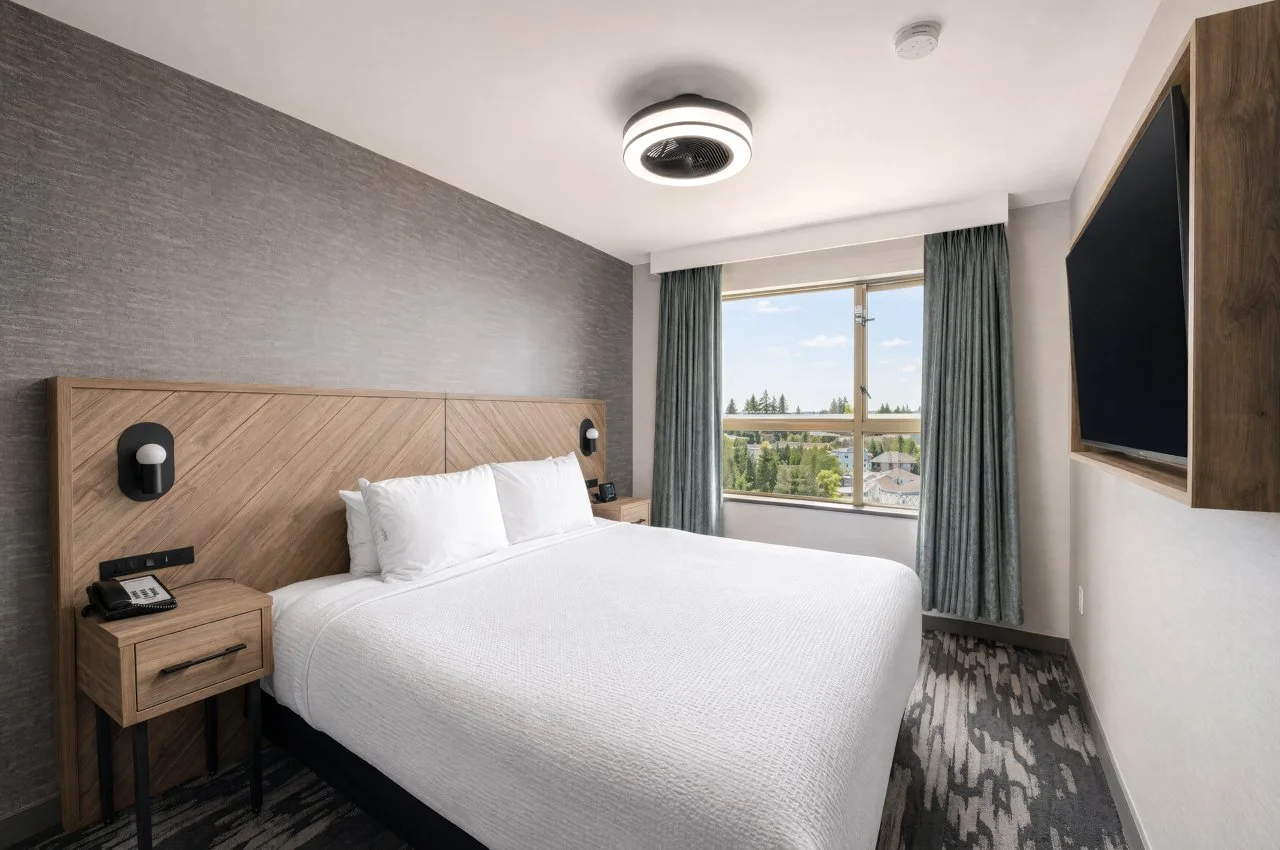
For room types, I usually recommend thinking in terms of clarity first. Guests should understand the layout, bed type, bathroom, view, workspace, seating area, and anything that makes one room category different from another.
The more specific the shot list is, the less likely you are to finish the shoot and realize an important room, view, or sales asset was missed.
Prepare rooms like someone is about to check in
Rooms and bathrooms are often where the booking decision happens, so they need the most careful prep.
A few small things make a big difference on camera: pressed linens, aligned pillows, clean mirrors, polished chrome, tidy curtains, clear surfaces, hidden cords, and matching light bulbs. Wrinkles, fingerprints, power bars, loose papers, remotes, plastic signage, garbage bins, and half-used products are easy to miss in person but obvious in photos.
Good preparation helps create the strongest images, but not everything has to be perfect. Temporary imperfections like small scuffs, visible cords, minor marks, or distracting items can often be cleaned up in retouching when needed.
For bathrooms, keep it calm and clean: fresh towels, closed toilet lid, spotless glass, no running water, minimal packaging, and nothing that makes the room feel occupied.
Plan around light, not just availability
The best room is not always the best room at the wrong time of day.
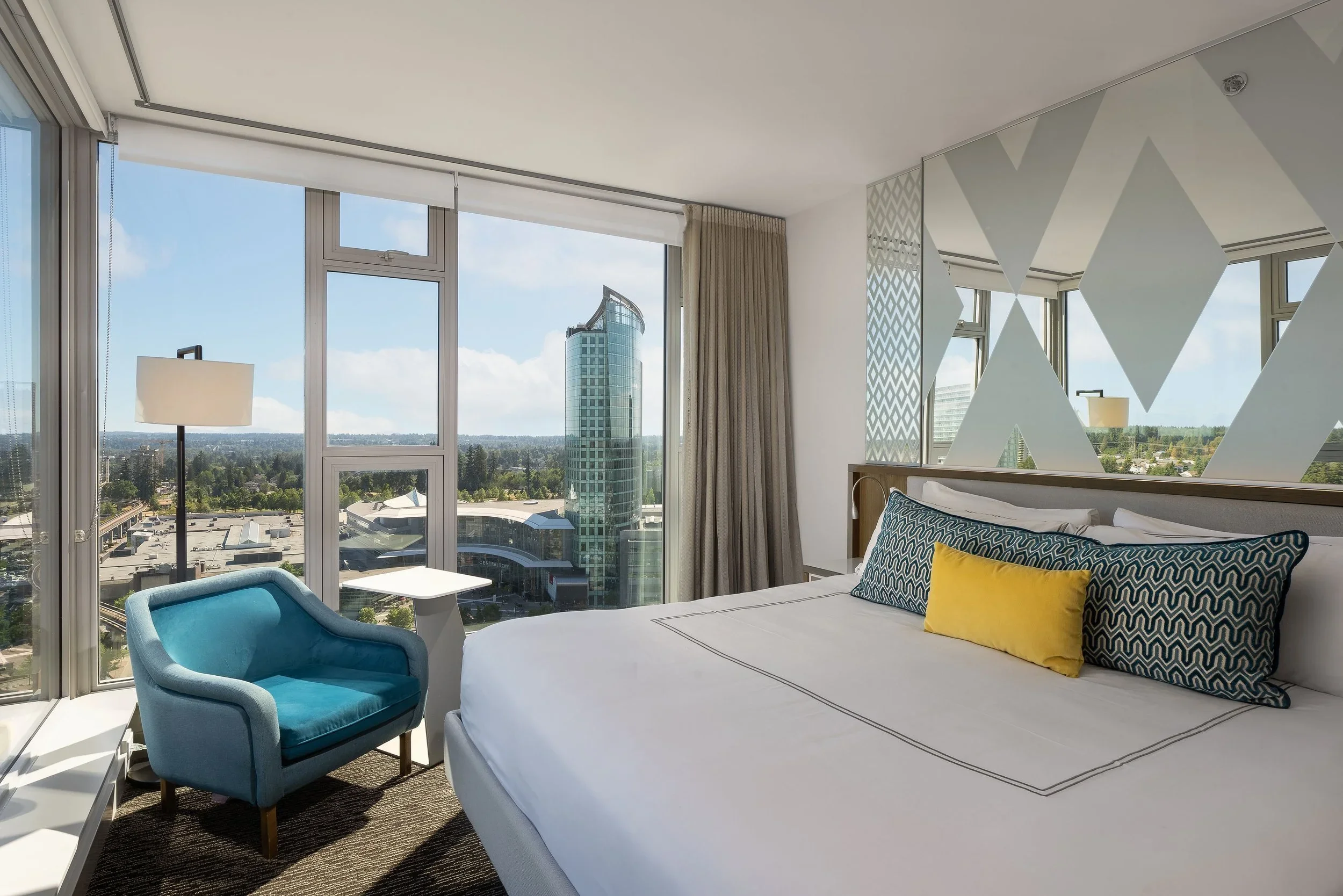
Room direction, window light, views, and direct sun can all affect the final image. Harsh sunlight can create bright hotspots and heavy shadows, while softer light can make a room feel more even, comfortable, and premium.
Most of my hotel and resort shoots are at least a full day long, which gives me time to experience the property as the light changes and photograph key spaces when they look their best.
When possible, choose rooms based on both the view and the timing. If the light is beautiful, it can be used intentionally. If it is too harsh, it may be better to schedule that room later or use a different room of the same type.
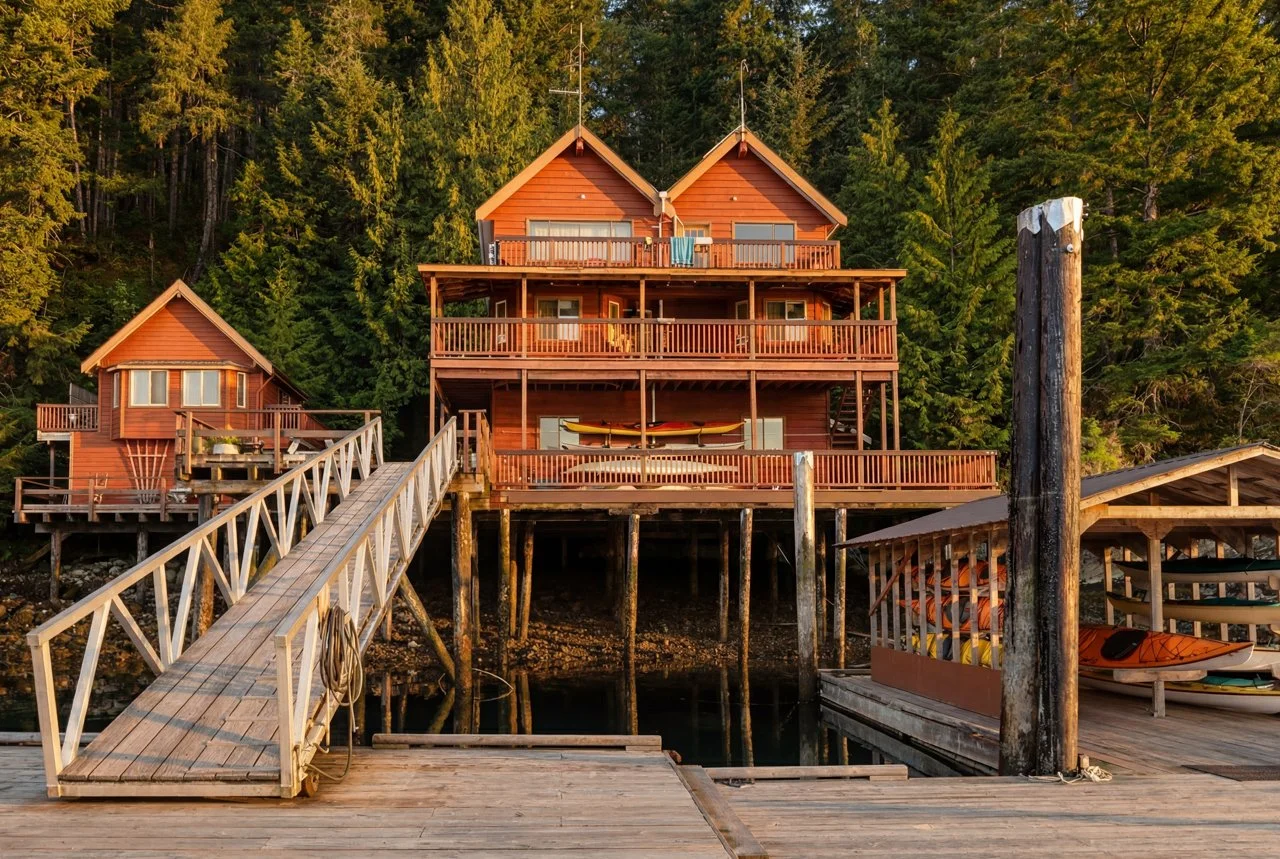
The same applies to exteriors. A daytime exterior is useful, but a dusk or blue-hour image can often become one of the strongest hero shots for the property.
Treat food and beverage as its own part of the shoot
Restaurant and bar photography tends to work best when it has its own plan.
Before the shoot, choose the hero dishes, cocktails, table settings, and timing. Have one person from the F&B team responsible for plating, resets, glassware, and approvals. Food should be photographed when it is fresh, not after it has been sitting while another space is being finished.
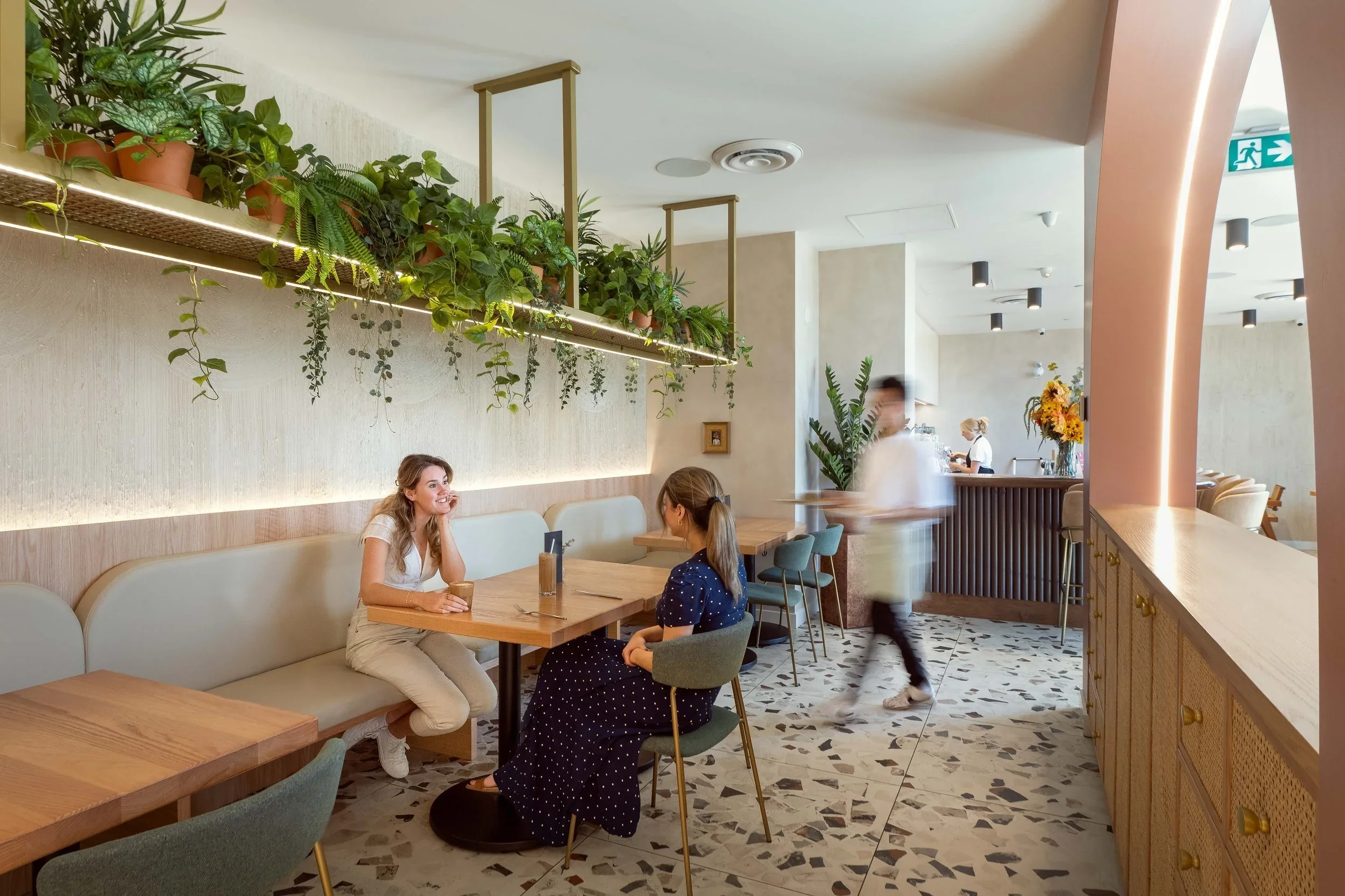
For hotels and resorts, I usually like capturing both a clean version of the space and a warmer version with a small amount of life if it fits the brand. A bartender making a drink, a server placing a dish, or a few people at a table can make the space feel more inviting without turning it into a full lifestyle production.
Plan lifestyle scenes separately from room photography
Lifestyle photography can be a great addition, but it works best when it is planned separately from the room and interior coverage.
That might mean guests arriving, someone having coffee by the window, a couple using the spa, people enjoying dinner, a bartender making a drink, or someone exploring the surrounding area. These scenes usually need more coordination than a standard room photo: timing, talent, wardrobe, releases, props, and a clear idea of what the image needs to communicate.
When done well, lifestyle imagery helps a hotel or resort feel more human and less like a listing.
Consider aerials and video when they add value
Aerial photography is useful when location and layout matter. Waterfront properties, mountain resorts, large grounds, rooftops, courtyards, beaches, and remote settings often benefit from a few strong aerial images.
Depending on local airspace restrictions, I often include aerial photos in my hotel and resort packages at no additional fee.
Video can also be helpful for websites, reels, paid ads, and launch campaigns. It does not need to be overproduced. A short, polished edit showing arrival, rooms, food, amenities, and atmosphere can give potential guests a stronger feeling for the property.
Make the shoot day easy to manage
The best hotel shoots have one clear point person on site.
That person can approve key images, unlock spaces, coordinate housekeeping, communicate with staff, and make quick decisions. It also helps to have housekeeping, engineering, F&B, and front desk teams aware of the schedule before the shoot starts.
Before leaving each space, it is worth checking the basics: no cords, no bins, no fingerprints, no crooked furniture, no mixed light bulbs, no awkward clutter, and no missing hero angle.
Think about delivery before the shoot is over
A strong final gallery should be easy for the hotel team to use.
Before the shoot wraps, it helps to confirm that the key booking assets have been captured: the main room types, bathrooms, hero exterior, lobby, amenities, food and beverage, and any spaces that matter for sales or seasonal marketing.
Once the images are delivered, I’d usually update the most important booking channels first: room photos on OTAs, website hero images, Google listings, then sales, PR, social, and partner folders.
Related work
You can also view my hotel and hospitality photography, tourism photography portfolio, commercial photography portfolio, wilderness lodge and resort photography, and architectural photography.
Planning a hotel or resort photoshoot?
I’m based in Vancouver, and much of my hotel, resort, and tourism work takes place across British Columbia and Western Canada. I’m also available for travel for the right hospitality, tourism, or destination-focused project.
If you are updating your hotel, resort, restaurant, or hospitality image library, I’d be glad to hear more about the project.
Please include the property name, shoot goals, ideal dates, key spaces, number of final images, and whether you are interested in lifestyle photography, video, aerial coverage, or food and beverage content.